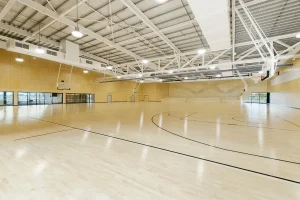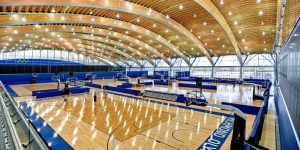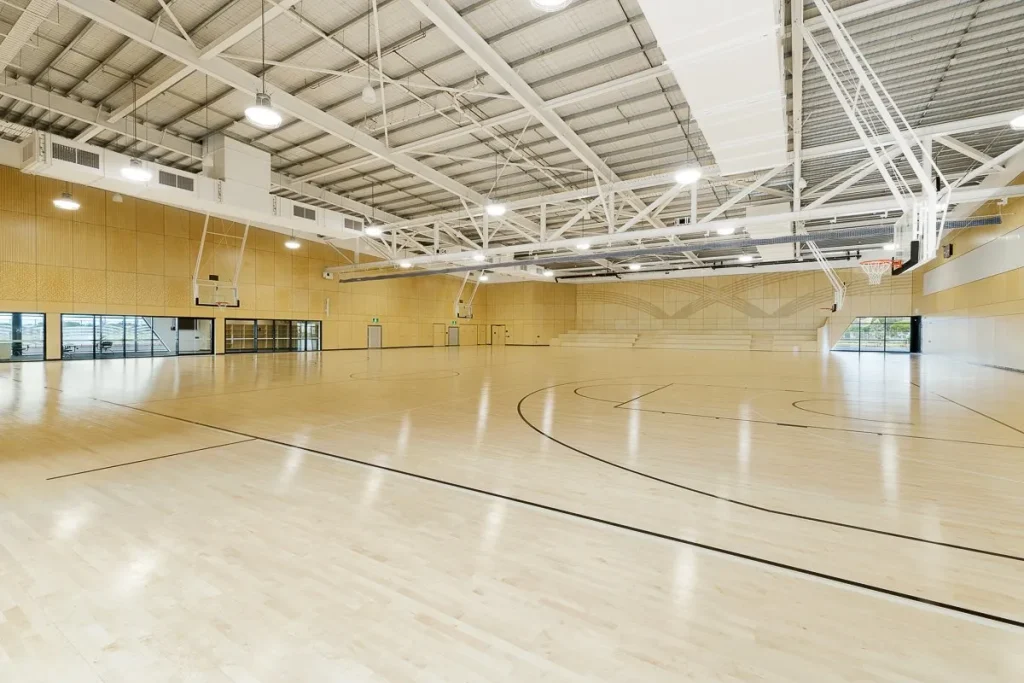
A basketball court floor is more than just a playing surface. It affects player safety, game performance, the look of your facility, and the longevity of the flooring material itself. Proper waxing and maintenance help preserve the floor’s appearance and structural integrity, while providing the right traction and glide for athletes.
This guide outlines what waxing does, how often it should be done, what types of wax are commonly used, and the best routine to keep your court in top condition.
Why Basketball Court Waxing Matters
- Enhances Appearance: A well-maintained court looks bright, clean, and professional.
- Improves Surface Grip: Proper waxing helps balance traction and movement.
- Protects the Floor: The wax layer shields the wood or surface coating from wear and scratches.
- Supports Longevity: Consistent maintenance prevents deep damage, reducing the need for full resurfacing.
How Often Should a Basketball Court Be Waxed?
In most facilities, a screen & recoat once per year is recommended. However, the exact frequency depends on:
| Usage Level | Waxing / Recoating Frequency | Notes |
|---|---|---|
| Light Use (small gym / practice) | Every 12–18 months | Daily dusting still required |
| Moderate Use (school gym) | Every 6–12 months | Consider mid-season refresh |
| Heavy Use (recreation centers / tournaments) | Every 3–6 months | Increased inspection & cleaning important |
Daily care matters just as much as periodic waxing. Even the best finish wears faster if dust and grit are allowed to accumulate.
Types of Floor Wax / Finish Used for Courts
Acrylic Finish
- Clear, hard, and glossy.
- Designed for high-traffic areas.
- Durable and easy to maintain.
- Provides a clean, high-shine appearance.
Paraffin-Based Wax
- Softer and more flexible.
- Applied in slightly thicker coats.
- Can help absorb dust and improve grip.
- Often preferred in facilities prioritizing slip-resistance.
The correct choice depends on your facility’s play level, moisture environment, and daily cleaning habits.
Step-by-Step Court Waxing Process
- Deep Surface Cleaning
- Remove dust, loose debris, and grit.
- Use microfiber dust mops daily; deeper cleaning before any waxing.
- Even Wax or Finish Application
- Use a roller or squeegee to apply thin, smooth coats.
- Multiple coats (often 3–5) provide best durability and shine.
- Each coat must dry fully before the next.
- Buffing / Burnishing
- Once the finish is cured, a floor buffer is used to even the surface.
- This step enhances gloss and ensures uniform traction.
- Final Inspection
- Check for streaks, uneven areas, or high-wear zones.
- Ensure the floor is safe before reopening for play.
Daily & Weekly Maintenance Routine
| Task | Frequency | Purpose |
|---|---|---|
| Dust mop floor | Daily | Prevents grit from scratching finish |
| Spot clean spills & sweat | Immediately | Reduces slip risk |
| Damp mop with approved cleaner | 2–3× weekly | Preserves traction and shine |
| Inspect high-traffic zones | Weekly | Detect wear before it spreads |
| Schedule recoat | Annually (or as needed) | Keeps surface protected |
Avoid over-wetting the floor — excessive moisture can damage wood and break down the finish.
Performance & Safety Considerations
- The correct surface friction is critical. Too slippery = injury risk. Too sticky = increased joint strain.
- A properly waxed court allows players to stop, pivot, and sprint without sliding.
- The right finish also helps the court look visually consistent on camera and under gym lighting.
Final Thoughts
Regular waxing is not just routine maintenance — it’s an investment in your athletic facility. With the right finish, consistent cleaning, and scheduled recoating, your basketball court will retain its shine, sport-quality performance, and long-term durability.