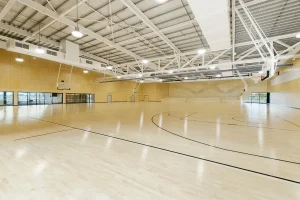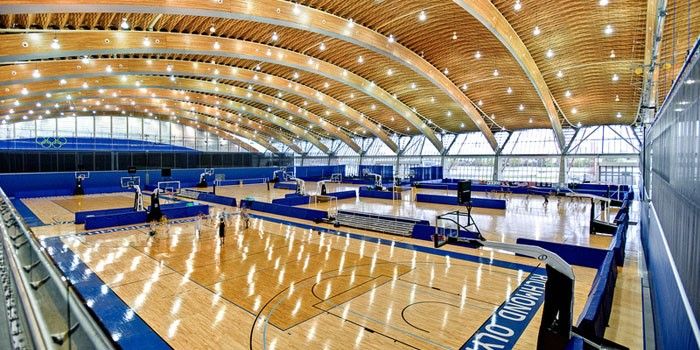
Maintaining an indoor volleyball court is essential for ensuring player safety, preserving the playing surface, and keeping the facility looking professional year-round. Whether used for school competitions, recreation, or professional tournaments, proper upkeep of the floor, lines, nets, and posts helps extend the life of the court and guarantees a consistent playing experience.
1. Floor Care and Maintenance
The floor is the foundation of every indoor volleyball court. Most courts feature either hardwood or synthetic surfaces, both of which require regular maintenance to stay in top condition.
- Daily Cleaning:
Dust and debris can make the floor slippery, increasing the risk of injuries. Dry mopping or using a microfiber dust mop daily helps maintain traction and prevents buildup. - Deep Cleaning:
A deeper clean should be done weekly or as needed, using a neutral pH floor cleaner. Avoid harsh chemicals that can damage the finish or leave a slippery residue. - Protecting the Surface:
Encourage players to wear non-marking shoes. Heavy objects or sharp equipment should never be dragged across the floor, as this can cause scratches and dents. - Re-coating or Refinishing:
For hardwood floors, periodic re-coating helps restore shine and surface protection. Depending on usage, refinishing may be needed every few years to maintain performance and appearance.
2. Court Lines and Markings
Court lines are critical for accurate play. Over time, the lines can fade due to frequent traffic and cleaning.
- Inspection:
Regularly inspect the markings for wear or peeling. Even minor fading can cause confusion during competitive play. - Repainting:
When lines begin to fade, repaint them with high-quality sports line paint that adheres well to the existing surface. Make sure the dimensions meet official regulations for volleyball courts. - Protecting Lines:
Avoid excessive use of harsh cleaning tools directly over painted lines. A gentle mop is sufficient for routine maintenance.
3. Net and Post Maintenance
The net system plays a vital role in the game’s balance and safety. Neglecting these elements can lead to damage or unsafe conditions.
- Net Tension:
Check the net tension before every game or practice. Loose nets can affect gameplay, while overly tight nets may strain the posts or hardware. - Hardware and Cables:
Inspect tensioning cables, pulleys, and winches for rust or wear. Lubricate moving parts if necessary and replace any damaged components promptly. - Post Stability:
Posts should remain securely anchored. For portable systems, ensure the base weight or floor anchors are stable and properly aligned with court markings.
4. Environmental Control
Temperature and humidity play a major role in the longevity of indoor court materials.
- Humidity Levels:
Maintain a stable indoor humidity range (ideally between 35–50%) to prevent wood floors from expanding or contracting. - Temperature Control:
Sudden temperature changes can affect both synthetic and wood surfaces. Keep the environment consistent to avoid warping or cracking.
5. Regular Inspections and Preventive Maintenance
Establish a routine inspection schedule that includes:
- Surface condition checks
- Net and post system inspections
- Line visibility and accuracy
- Lighting and ventilation reviews
Documenting these inspections ensures that minor issues are caught early, preventing costly repairs or replacements later on.
Final Thoughts
A well-maintained volleyball court reflects professionalism and care for the players’ experience. Consistent cleaning, environmental control, and proper inspection of all components—from the floors to the nets—ensure that every match is played safely and smoothly.